
🥺 Don’t Let Your Dream Bike Fade Away: 7 Powerful Vintage Bike Restoration Steps That Bring Old Memories Back
Restore your old motorcycle with these 7 practical vintage bike restoration steps covering engine, rust, paint, metalwork, detailing and customization in India.
There is something emotional about seeing an old motorcycle sitting quietly in a garage.
Maybe it belonged to your father. Maybe you bought it when you were younger and stopped riding it after a few years. Or perhaps you found an old classic that looked completely finished, but you still felt that it deserved another chance.
That feeling is exactly why vintage bike restoration is about much more than repairing an old motorcycle.
It is about bringing back a machine that has a story.
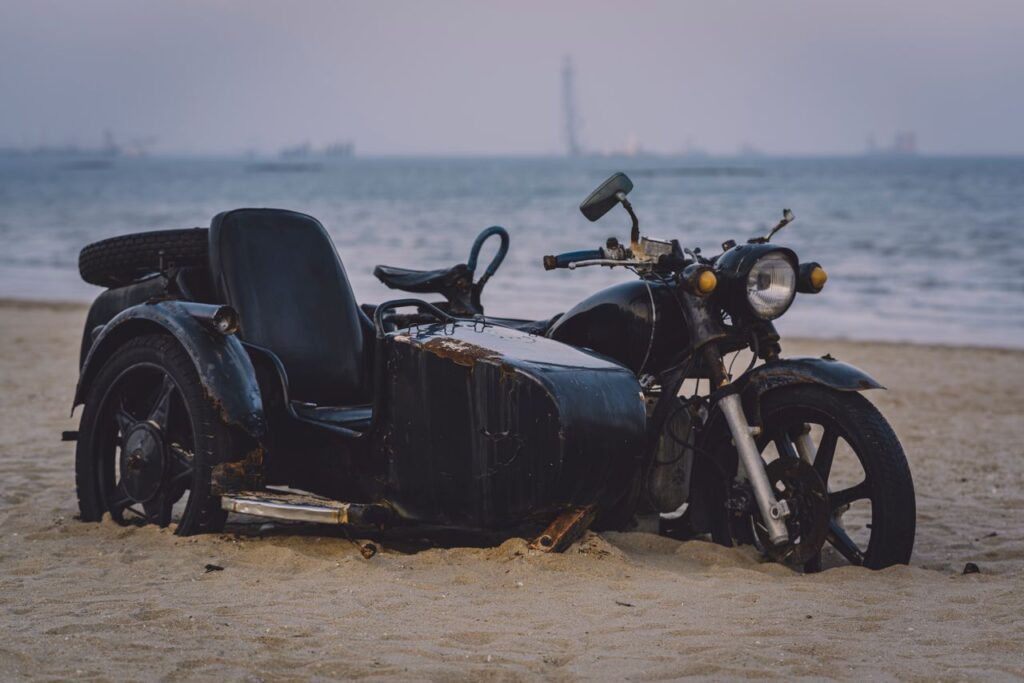
In India, vintage motorcycles are often exposed to dust, heat, monsoon moisture, rust and years of improper storage. After some time, the bike may look so tired that restoring it can seem almost impossible. The paint becomes dull, chrome starts disappearing, rubber parts crack and the engine may refuse to start.
It can be frustrating, especially when the restoration reveals one problem after another.
But with proper planning and skilled workmanship, even a neglected motorcycle can become something you are genuinely proud to ride again.
1. Start With a Complete Inspection
The biggest mistake in a restoration project is starting with the paint.
Before thinking about colours, seats or accessories, the motorcycle needs a complete inspection.
Check the:
- Frame and chassis
- Engine and gearbox
- Fuel tank
- Braking system
- Suspension
- Wheels and tyres
- Electrical wiring
- Exhaust
- Chain and sprockets
- Seat and body panels
- Rust and corrosion
This inspection tells you how serious the restoration actually is.
Sometimes an old bike looks terrible but has a surprisingly healthy engine. In other cases, the outside may look acceptable while the frame, engine or electrical system needs major attention.
Knowing this beforehand helps prevent unpleasant surprises later.
2. Decide What You Want the Finished Bike to Feel Like
Not every vintage bike needs to become a completely original factory-style restoration.
There are generally two directions you can take.
Original restoration focuses on preserving the motorcycle’s traditional appearance. The original styling, colours, badges and components are retained wherever possible.
Custom restoration keeps the character of the old motorcycle while introducing carefully selected modern or handcrafted elements.
For example, you could retain the classic fuel tank and frame while adding a custom-made seat, handcrafted metal parts, upgraded lighting or a unique paint finish.
The important thing is to have a clear vision before work begins.
A random collection of modifications can make an old motorcycle look confused rather than special.
3. Give the Engine the Attention It Deserves
A vintage motorcycle isn’t truly restored if it only looks good in photographs.
The engine and mechanical components are the heart of the bike.
Depending on its condition, the motorcycle may require engine cleaning, rebuilding, carburettor or fuel-system work, clutch inspection, oil replacement and other mechanical repairs.
The gearbox, brakes, suspension, bearings, chain and sprockets should also be checked.
This stage can sometimes be disappointing. You may discover worn components or problems that were hidden for years.
But ignoring them will only create bigger problems later.
A beautifully restored motorcycle that refuses to start or feels unsafe on the road isn’t a successful restoration.
The real satisfaction comes when the rebuilt engine finally starts and that familiar mechanical sound returns.
4. Don't Underestimate Rust and Metal Damage
Rust is one of the biggest challenges when restoring old motorcycles in India.
Years of exposure to moisture, rain and poor storage can affect the fuel tank, frame, mudguards, exhaust and smaller metal components.
Some surface rust can be treated, but heavily damaged metal may need professional repair or replacement.
This is where proper fabrication becomes extremely important.
Handcrafted metal parts can be made specifically for the motorcycle rather than relying on generic components that may not fit properly.
Poor-quality welding or rushed fabrication can ruin the appearance of an otherwise beautiful restoration. Even worse, improper structural work can create safety concerns.
Good metalwork should look clean, fit correctly and feel like it belongs to the motorcycle.
5. Choose a Paint Finish That Matches Its Personality
Few moments in a restoration are as satisfying as seeing the motorcycle receive its final paint.
An old, faded fuel tank can suddenly look completely different after proper preparation and finishing.
But don’t choose a colour simply because it looks attractive on another bike.
Think about the motorcycle’s original identity.
If you’re restoring a classic motorcycle, a period-inspired colour can preserve its old-school charm. If you’re building a custom version, you can experiment with modern shades, graphics or finishes.
Most importantly, surface preparation matters.
If rust, dents or imperfections are not properly addressed before painting, the final finish may look impressive initially but develop problems later.
A good paint job should make people notice the motorcycle without making them forget what motorcycle it actually is.
6. Pay Attention to the Small Details
Sometimes the smallest details create the biggest difference.
A restored motorcycle can still feel incomplete if its:
- Switches look damaged
- Seat stitching is poor
- Badges are missing
- Grips are worn
- Cables are messy
- Mirrors don’t suit the design
- Bolts and brackets look neglected
- Lighting looks out of place
This is why restoration requires patience.
Replacing everything with shiny aftermarket parts isn’t always the answer. Some original components may be worth repairing or preserving because they carry the character of the motorcycle.
For Indian classics such as older Royal Enfield, Jawa, Yezdi and other iconic motorcycles, these little details can bring back memories that a completely modern rebuild simply cannot recreate.
7. Finish With Proper Detailing and Testing
Once the major restoration work is complete, don’t immediately consider the motorcycle finished.
The final stage should include detailed inspection and testing.
Check the brakes, lights, indicators, horn, tyres, chain, steering, suspension, engine leaks and electrical connections.
Then take the motorcycle for a controlled test ride.
This is when all the hard work finally starts making sense.
The bike that once sat covered in dust is now moving under its own power again.
For the owner, that moment can be incredibly emotional.
It is not just an old motorcycle anymore. It is a part of their story that has been given another chance.
Why Professional Restoration Can Make a Difference
Restoring a vintage motorcycle at home can certainly be rewarding, but it can also become stressful when unexpected problems appear.
A project that initially looks simple can turn into engine work, fabrication, electrical repairs, paint correction and sourcing difficult-to-find parts.
Professional restoration helps bring these different stages together under one plan.
Metal Artz Customs in Sector 18, Gurgaon, works on motorcycle restoration, custom fabrication, paintwork, accessories and complete custom builds.
The workshop focuses on creating motorcycles that combine craftsmanship, functionality and the owner’s personal vision.
For riders looking for vintage bike restoration in Gurgaon, Metal Artz Customs can be contacted at +91 99994 62461.
Frequently Asked Questions :
Is vintage bike restoration worth the money?
Yes, particularly when the motorcycle has sentimental value or is a desirable classic. However, the cost should be considered against the bike’s condition, parts availability and the level of restoration required.
Can a completely neglected bike be restored?
Many neglected motorcycles can be restored, but the frame, engine and major mechanical components should be inspected first. Severe structural damage or unavailable parts can make a project considerably more difficult.
Should I restore my bike to its original condition?
If the motorcycle has historical or sentimental importance, an original-style restoration can be a great choice. If you want something personal, a tasteful custom restoration may be more suitable.
How long does vintage bike restoration take?
There is no universal timeline. A simple restoration can be completed relatively quickly, while a full restoration involving engine rebuilding, fabrication, paintwork and rare parts can take considerably longer.
Where can I get vintage bike restoration in Gurgaon?
Metal Artz Customs in Sector 18, Gurgaon provides motorcycle restoration and customization services. You can contact the workshop at +91 99994 62461 or visit metalartz.in.
Final Thoughts :
A forgotten motorcycle doesn’t necessarily need to remain forgotten.
Yes, restoration can be expensive. Yes, unexpected problems can appear. And yes, finding original parts for an old motorcycle can sometimes test your patience.
But there is another side to it.
The first time the restored engine starts. The first time you see the finished tank shining under the light. The first time you take that motorcycle back onto an Indian road after years of standing still.
That feeling is difficult to put a price on.
Vintage bike restoration isn’t simply about repairing an old machine. It’s about preserving memories, reviving character and giving a motorcycle another chapter to live.
Metal Artz Customs – Sector 18, Gurgaon
Call/WhatsApp: +91 99994 62461
Website: metalartz.in
Instagram: @metalartzcustoms