
Fuel Tank Restoration: Powerful Ways to Revive a Rusty Motorcycle Tank in 7 Steps
Discover how professional fuel tank restoration can remove rust, repair dents, fix damage and bring your motorcycle tank back to life with a premium finish.
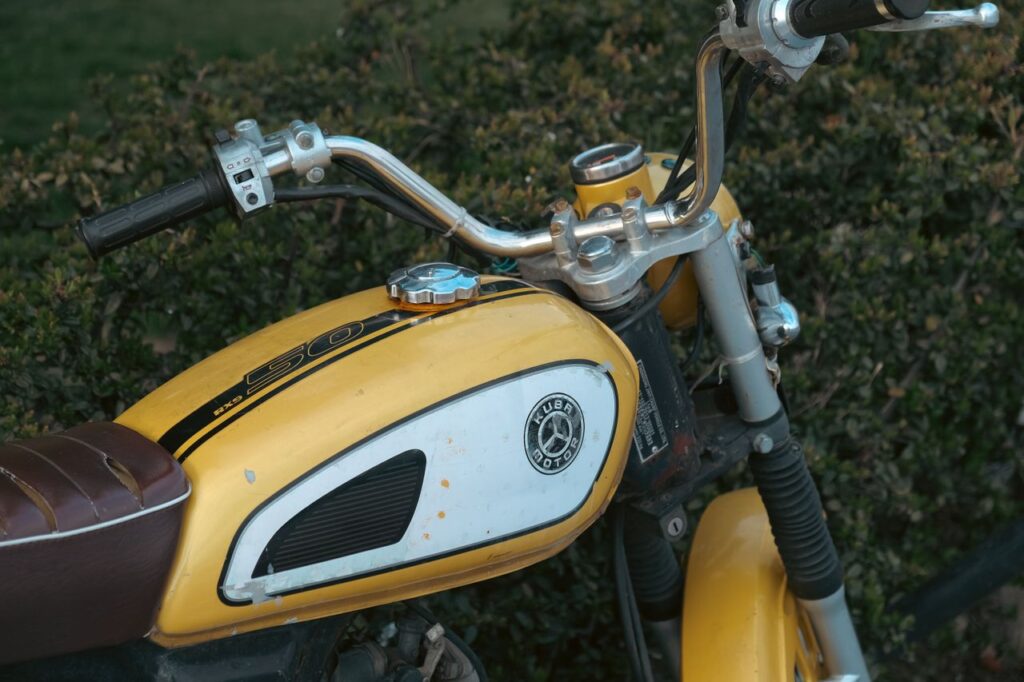
Discover how professional fuel tank restoration can remove rust, repair dents, fix damage and bring your motorcycle tank back to life with a premium finish.
A motorcycle fuel tank is more than just a place to store petrol. It is one of the most noticeable parts of a bike and often defines its overall personality. A beautifully restored tank can make an old motorcycle look fresh, premium and full of character. On the other hand, rust, dents, faded paint and scratches can quickly make even a well-maintained bike look tired and neglected.
For Indian motorcycle owners, fuel tank restoration becomes especially important when dealing with older bikes, vintage motorcycles or machines that have spent years exposed to dust, humidity and changing weather conditions. A tank that looks like it only needs a fresh coat of paint may actually have rust or corrosion hidden underneath.
That is why proper fuel tank restoration should focus on both appearance and condition.
Why Does a Motorcycle Fuel Tank Get Rusty?
Rust is one of the biggest enemies of a steel motorcycle fuel tank. Moisture, condensation, damaged paint and long periods of inactivity can gradually cause corrosion.
This is particularly frustrating for owners of classic motorcycles because the original tank may have sentimental value. Replacing it can change the bike’s character, while restoring the original tank can preserve its authentic appearance.
Common reasons for fuel tank rust include:
- Moisture entering the tank
- Motorcycle being parked for long periods
- Damaged or peeling paint
- Condensation inside the tank
- Scratches exposing bare metal
- Poor storage conditions
- Age-related corrosion
- Old fuel deposits and contamination
Ignoring small rust patches may seem harmless, but corrosion can become deeper over time and turn a relatively simple restoration into a much bigger repair job.
1. Start With a Proper Tank Inspection
Before starting any restoration, the tank should be carefully inspected.
A professional inspection looks at both the exterior and interior. The outside may show dents, scratches and peeling paint, while the inside may reveal corrosion that cannot be seen without opening and examining the tank properly.
The inspection should check for:
- Surface rust
- Deep corrosion
- Dents
- Cracks
- Previous repairs
- Damaged mounting points
- Weak areas
- Signs of fuel leakage
This first step is important because painting over an unhealthy tank only hides the problem temporarily.
2. Remove Rust and Old Surface Damage
Rust removal is one of the most important parts of motorcycle fuel tank restoration.
Depending on the condition of the tank, professionals may use mechanical cleaning, suitable rust-treatment methods or a combination of restoration techniques.
The objective is to properly prepare the metal before applying primer and paint.
Trying aggressive chemicals at home can be risky because some rust-removal products require proper handling, ventilation and protective equipment. A professional workshop can select an appropriate process according to the tank’s condition.
3. Repair Dents Before Painting
A dented fuel tank can completely spoil the appearance of an otherwise beautiful motorcycle.
Small dents may look insignificant, but they become extremely noticeable once a glossy paint finish is applied. Proper restoration therefore involves correcting the metal and preparing the surface before the painting stage.
Depending on the damage, the process may include:
- Dent removal
- Metal reshaping
- Surface leveling
- Sanding
- Minor surface correction
Good preparation is what separates a genuinely premium paint job from a quick repaint.
4. Check the Tank for Leaks
A fuel tank is a functional motorcycle component, not simply a decorative body panel.
If corrosion has created holes or weakened sections, those issues need to be addressed before the tank is returned to the motorcycle. Leak inspection is therefore an important part of a responsible restoration process.
This is especially important with old tanks where corrosion may have affected areas around seams, mounting points or the filler section.
A beautiful tank that still has an unresolved structural problem is not a successful restoration.
5. Give the Tank a Fresh Paint Finish
Once rust, dents and other surface problems have been addressed, the tank can move to the paint preparation stage.
Depending on the motorcycle and the owner’s requirements, the finish can include:
- Primer application
- Base colour
- Custom colour combinations
- Graphics
- Pinstripes
- Decals
- Custom lettering
- Protective clear coat
- Final polishing
This is where the personality of the motorcycle really starts to come back.
A classic Royal Enfield may look best with a traditional finish, while a custom bobber, scrambler or cruiser can benefit from a more aggressive colour combination or handcrafted graphics.
6. Restoration Can Preserve the Original Character
One of the biggest advantages of restoring an original fuel tank is that you can preserve the identity of the motorcycle.
This matters particularly for vintage and classic motorcycles. An original tank may have shapes, proportions and mounting characteristics that are difficult to replicate with an aftermarket replacement.
There is also an emotional side to restoration. Many riders do not want their old motorcycle to simply look new. They want it to look like their motorcycle, only better.
That is where thoughtful restoration can make a huge difference.
7. Don't Ignore Small Tank Problems
A common mistake among motorcycle owners is waiting until the problem becomes serious.
A small rust patch may look unimportant today. A minor dent may not bother you during daily riding. But leaving these issues untreated can make future restoration more complicated and expensive.
The positive side is that early inspection can help identify problems before they become major. The negative side is that severely corroded tanks may require extensive metalwork, and in some cases replacement may be more practical than restoration.
Therefore, the condition of the actual tank should always decide the restoration approach.
Fuel Tank Restoration for Indian Motorcycles
Indian motorcycles are used in very different conditions. Some bikes are daily commuters, while others are carefully maintained weekend rides or valuable classic motorcycles.
Dust, rain, humidity, long-term parking and road conditions can all affect the condition of a motorcycle over time.
For riders restoring older Royal Enfield, Jawa, Yezdi, Yamaha, Honda and other motorcycles, the fuel tank can become one of the most important parts of the restoration project.
A properly restored tank can completely transform the visual appearance of the motorcycle without losing its original character.
Professional Fuel Tank Restoration at Metal Artz Customs
At Metal Artz Customs, fuel tank work can be approached as part of a complete motorcycle restoration or customisation project.
Based in Gurugram, Metal Artz Customs works on motorcycle modification, restoration, custom fabrication, paintwork and handcrafted motorcycle components. The workshop handles different styles, including classic, cruiser, bobber, scrambler and custom motorcycles.
The focus is not simply on making a tank look shiny. Proper preparation, metalwork, finishing and the overall design of the motorcycle need to work together.
If your motorcycle has a rusty, dented, faded or damaged fuel tank, getting it inspected before deciding on a restoration method can save you from unnecessary expense and disappointment.
Frequently Asked Questions :
Can a rusty motorcycle fuel tank be restored?
Yes, many rusty motorcycle fuel tanks can be restored. However, the final approach depends on how deeply corrosion has affected the metal.
Is fuel tank restoration the same as repainting?
No. Repainting only focuses on appearance. Proper fuel tank restoration can involve rust removal, dent repair, leak inspection, surface preparation, painting and finishing.
How much does fuel tank restoration cost in India?
The price depends on the tank’s condition, rust level, dents, metal repairs, paint design and finishing requirements. A professional inspection is needed for an accurate estimate.
How long does motorcycle tank restoration take?
The time varies according to the condition of the tank and the amount of work required. A simple repaint will generally require less work than a heavily rusted or damaged vintage tank.
Can the original fuel tank be restored instead of replaced?
Yes, if the original tank is structurally suitable for restoration. For classic motorcycles, restoring the original tank can be a great way to preserve the bike’s authentic character.
Give Your Old Fuel Tank a New Life
A rusty or damaged fuel tank does not automatically mean your motorcycle has lost its charm. With the right restoration process, an old tank can regain its shape, finish and personality.
The important thing is not to hide the problem under fresh paint. Rust, dents and structural issues should be addressed first, followed by proper surface preparation and finishing.
If you are planning a fuel tank restoration in Gurgaon, you can contact Metal Artz Customs for a professional assessment.
Metal Artz Customs
Shop No. 5, 46 Old Delhi-Gurgaon Road, Sector 17/18 Dividing Road, opposite Maruti Suzuki Arena PASCO Automobiles, Gurugram, Haryana – 122017.
Contact: 99994 62461
Timings: 9:00 AM – 8:00 PM
A properly restored tank can do more than improve the appearance of your motorcycle. It can bring back the feeling that made you fall in love with the bike in the first place.