
Top 10 Scenic Indian Bike Routes That Will Steal Your Heart and Test Your Spirit
Discover 10 legendary motorcycle routes across India with in-depth route details, road conditions, best time, food & fuel tips, safety advice, cultural notes and preparation checklist — written for Indian riders.
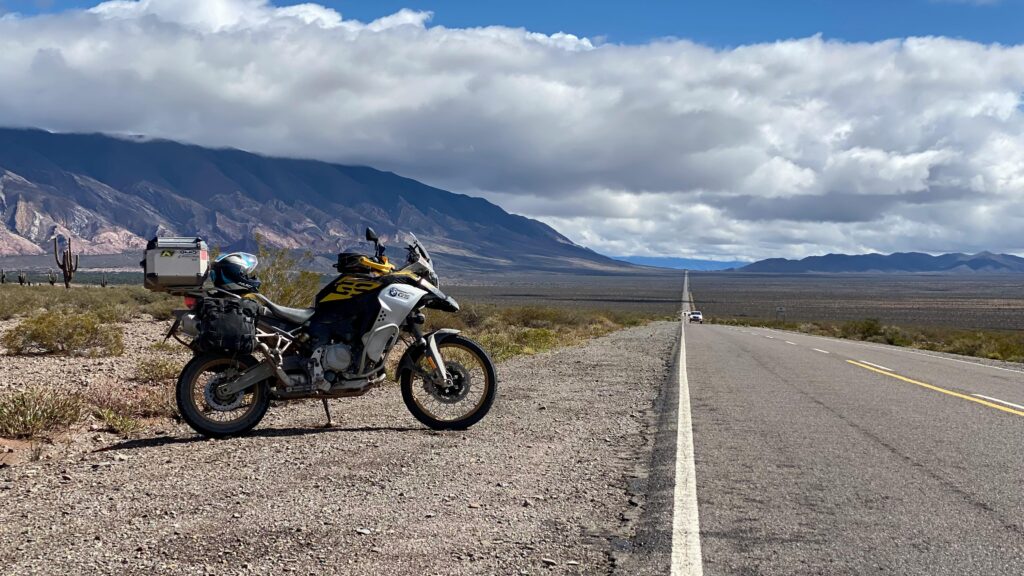
Riding in India is an emotion. It’s the smell of rubber and chai at a dhaba, the hum of a well-tuned engine, the silence above the clouds and the adrenaline on a cliff-edge hairpin. These ten routes below are not just GPS lines — they’re journeys that teach you to be a better rider, a better traveller, and sometimes a quieter person. I’ve written each route like I’d explain to a riding buddy: what to expect, where you’ll smile, where you’ll curse, and exactly how to prepare so the ride becomes a story worth telling.
How this guide is structured :
For every route you’ll find: a quick overview, highlights, distance & best time, road condition & ride difficulty, food & fuel availability, safety and riding tips, emotional moments you’ll remember, best stays, and “don’t do this” mistakes riders repeat. Read it, plan well, and then go.
1) Manali → Leh → Nubra Valley (Himachal → Ladakh) — The Classic Himalayan Test
Quick Overview: The Manali–Leh highway is the pilgrimage for riders. High altitude, epic passes, and extreme beauty. This route will humble you.
Highlights: Rohtang Pass, Baralacha La, Sarchu, Pang, Tanglang La, Magnetic Hill, Nubra Valley, Khardung La (if you continue).
Distance & Best Time: Manali to Leh ~475–490 km (depending on detours). Best: June to early September.
Road Condition & Ride Difficulty: Mixed — newly surfaced tarmac in sections, long stretches of gravel, frequent washboards and river crossings. Difficulty: High. Requires stamina and patience.
Food & Fuel: Basic dhabas in Key points (Manali, Sarchu, Pang). Fuel pumps are limited: Manali, Keylong (on Leh route), Sarchu has limited options, and Leh. Carry a 2–3 litre spare fuel if you plan off-beat rides. Snacks and energy bars are lifesavers.
Safety & Riding Tips:
Acclimatize before pushing above 3,500–4,000m; spend a day in Keylong or Jispa.
Ride slowly in steep climbs; power drops on high altitudes.
Keep spare brake pads, clutch cable, and puncture kit.
Don’t overpack. Weight kills performance at altitude.
Avoid night riding — visibility and debris make it risky.
Emotional Moments & Why Riders Love It: The first time you see Pang’s endless sky or the white of Ladakh cutting into your visor, something inside you relaxes and tightens at once. Pride after crossing high passes. The view from Khardung La — whether real or just a mental trophy — stays forever.
Common Mistakes: Ignoring acclimatization, overpacking, trusting every road to be well-marked, riding through snow patches without experience.
Stay Options: Guesthouses in Sarchu and Pang (basic), safe camps near Nubra or proper hotels in Leh.
2) Guwahati → Tawang (Arunachal Pradesh) — Expedition Into the Clouds
Quick Overview: This isn’t a casual ride. It’s a remote, spiritual, often treacherous expedition through misty valleys and high passes.
Highlights: Sela Pass (13,700 ft), Jaswantgarh, Bum La (if permitted), Tawang Monastery, Pankang Teng Tso lake.
Distance & Best Time: ~520 km from Guwahati to Tawang (depending on route). Best: March–May and October–December.
Road Condition & Ride Difficulty: Mixed to tough. Some stretches repaired, others single-lane mud. Difficulty: Very High.
Food & Fuel: Sparse. Fuel pumps at strategic towns only. Carry extra fuel for long legs. Food is basic but delicious local meals — carry glucose and quick snacks.
Safety & Riding Tips:
Check permits well in advance (Inner Line Permit rules apply).
Expect sudden landslides and fog; avoid night riding.
Strong rainproof riding gear and insulated layers are musts.
Keep physical ID and copies for checkposts; follow Army/BRO instructions.
Emotional Moments & Why Riders Love It: Tawang’s monastery at dusk, the quiet prayer wheels, and the blanketing clouds make you feel small and calm at once. The roads force you to be present.
Common Mistakes: Underestimating fuel needs; not carrying cash (ATMs are unreliable); ignoring paperwork and permits.
Stay Options: Dong, Bomdila, and Tawang — simple guesthouses to comfortable hotels.
3) Mumbai → Goa via Konkan Coast (NH66) — The Coastal Therapy
Quick Overview: This ride mixes oceanic breeze with twisty ghats. It’s perfect for groups and weekends, but also rewarding on solo runs.
Highlights: Ratnagiri, Ganpatipule, Sawantwadi, Tarkarli, coastal ghats and beaches.
Distance & Best Time: ~590 km (depending on start). Best: October–February (avoid monsoon).
Road Condition & Ride Difficulty: Good—NH66 improved a lot. Coastal ghats are twisty; ride carefully. Difficulty: Medium.
Food & Fuel: Excellent. Frequent fuel pumps and tasty seafood dhabas. Plan stops for fresh kokum sharbat and local fish.
Safety & Riding Tips:
Watch for potholes post-rain; monsoon makes coastal ghat roads treacherous.
Avoid midday afternoon in Konkan heat during summers.
Group ride etiquette: staggered formation, pre-decided stops.
Emotional Moments & Why Riders Love It: Riding with sea on your right, palm trees swaying, and stopping for hot fish thali — little joys make the ride addictive. The sense of freedom is instantaneous.
Common Mistakes: Riding during monsoon, over-speeding in ghats, not watching for stray cattle in villages.
Stay Options: Ratnagiri guesthouses, beach shacks near Ganpatipule, several resorts in Goa.
4) Jaipur → Jaisalmer → Sam (Rajasthan) — The Desert’s Reward
Quick Overview: Riding through the Thar is about the open horizon, royal history, and star-studded desert camps.
Highlights: Jaisalmer Fort, Gadisar Lake, Sam Sand Dunes, Kuldhara.
Distance & Best Time: Jaipur to Jaisalmer ~560 km (one way). Best: October–February.
Road Condition & Ride Difficulty: Mostly long smooth highways; occasional sand-affected stretches. Difficulty: Low–Medium.
Food & Fuel: Fuel stations are ample on highways but sparse near sand dunes — refill in Jaisalmer. Dhabas serve heavy Rajasthani meals; carry water and electrolyte drinks.
Safety & Riding Tips:
Prevent dehydration; carry at least 3 liters per rider.
Sunscreen, caps under helmets, and light clothing help.
Night riding in sand areas is not recommended.
Emotional Moments & Why Riders Love It: Desert sunsets and the silence under the stars make long rides worthwhile. Forts and local culture add a regal touch.
Common Mistakes: Underestimating heat, ignoring engine overheating, riding into dunes without guidance.
Stay Options: Heritage havelis in Jaisalmer, tented camps at Sam.
5) Srinagar → Gulmarg → Pahalgam → Sonamarg → Leh (Kashmir → Ladakh) — The Valley-to-Pass Trail
Quick Overview: Starting from Kashmir valley’s green, climb into the stark beauty of Ladakh. A mixed emotional palette: blissful valley mornings and harsh mountain edges.
Highlights: Srinagar Dal Lake, Gulmarg meadows, Sonamarg glaciers, Zoji La, Kargil points.
Distance & Best Time: Srinagar to Leh ~420 km. Best: May–September.
Road Condition & Ride Difficulty: Generally decent with patches of rough roads near Zoji La. Difficulty: High due to altitude and cold.
Food & Fuel: Local cuisine in Srinagar and towns en route — fuel available but carry spares for remote stretches.
Safety & Riding Tips:
Keep thermal layers; nights get freezing.
Snow and avalanches possible early and late season; check local advisories.
Respect local security checkposts.
Emotional Moments & Why Riders Love It: Morning rides among Kashmiri orchards, followed by the stark lunar landscapes of Ladakh — contrasts that give you perspective.
Common Mistakes: Not checking weather for Zoji La, assuming valley roads will be like plains.
Stay Options: Guesthouses in Gulmarg/Pahalgam; hotels in Srinagar and Leh.
6) Bangalore → Ooty → Coonoor (Nilgiri Ghats, South India) — The Green Curves
Quick Overview: A short but satisfying Himalayan-like escape in the south. Tea gardens, mist and controlled curves make this a bliss ride.
Highlights: Bandipur wildlife stretch, Coonoor, Ooty’s botanical gardens, the 36 hairpins near Coonoor.
Distance & Best Time: Bangalore to Ooty ~270–300 km. Best: October–February.
Road Condition & Ride Difficulty: Smooth ghat roads with tight hairpins. Difficulty: Medium.
Food & Fuel: Plenty of cafes and roadside eateries. Fuel stations available but keep an eye in small towns.
Safety & Riding Tips:
Watch for two-wheelers and buses on hairpins.
Early mornings can be foggy; reduce speed.
Wildlife warning near Bandipur — avoid dawn/dusk crossings.
Emotional Moments & Why Riders Love It: The smell of wet earth and tea gardens, the satisfying lean into hairpins, and a relaxed vibe in Ooty make this route a perennial favourite.
Common Mistakes: Riding too fast on hairpins, ignoring wildlife zones.
Stay Options: Home-stays, hilltop resorts, Ooty cottages.
7) Chennai → Pondicherry → Auroville (ECR) — The Calm Coastal Run
Quick Overview: East Coast Road (ECR) is easy, scenic and ideal for beginners as well as riders who want a relaxing day out.
Highlights: Mahabalipuram rock temples, Auroville, Pondicherry promenades.
Distance & Best Time: Chennai to Pondicherry ~160 km. Best: November–February.
Road Condition & Ride Difficulty: Excellent road quality; some busy junctions in tourist zones. Difficulty: Low.
Food & Fuel: Plenty. Cafés and beachside eateries make stops enjoyable.
Safety & Riding Tips:
Keep to moderate speeds near Pondicherry due to tourists and cyclists.
Watch for sudden cross traffic in towns.
Emotional Moments & Why Riders Love It: A calm sea, French colonial lanes in Pondicherry and a chilled-out vibe; this ride is therapy.
Common Mistakes: Underestimating traffic and tourist footfall in weekends.
Stay Options: Beach guesthouses and heritage hotels in Pondicherry.
8) Kochi → Munnar → Thekkady (Kerala) — Tea Gardens & Spices
Quick Overview: Short, magical, and fragrant. Wet roads, green slopes and winding corners — perfect for those who enjoy a slow, scenic ride.
Highlights: Eravikulam National Park, tea estates, Periyar in Thekkady.
Distance & Best Time: Kochi to Munnar ~130–150 km. Best: September–March.
Road Condition & Ride Difficulty: Mostly smooth with narrow ghat sections. Difficulty: Medium.
Food & Fuel: Excellent local cuisine and spice-flavoured food. Fuel stations in towns.
Safety & Riding Tips:
Beware of slippery roads after rains.
Slow down for blind corners and frequent pedestrian activity.
Carry rain gear in monsoon months.
Emotional Moments & Why Riders Love It: Riding through misty tea gardens at dawn, the fresh scent of spice, and a slow pace that lets you soak in nature — this ride heals.
Common Mistakes: Over-speeding on downhill curves and ignoring rain-slicked roads.
Stay Options: Tea estate cottages, homestays, boutique hotels.
9) Kolkata → Darjeeling → Kurseong (West Bengal Hills) — Tea & Sunrise
Quick Overview: The eastern Himalayan foothills are less crowded than north India and offer a soulful, green ascent with historic toy trains and colonial charm.
Highlights: Tiger Hill sunrise in Darjeeling, toy train heritage, tea gardens.
Distance & Best Time: Kolkata to Darjeeling ~610–630 km. Best: October–June.
Road Condition & Ride Difficulty: Mountain roads with narrow bends and occasional landslide-affected stretches. Difficulty: Medium to High in rains.
Food & Fuel: Good in towns, simple roadside stalls on highways. Fuel reasonably available; keep enough in reserve when going higher.
Safety & Riding Tips:
Watch for fog and narrow bridges.
Be cautious of tourist-heavy weekends.
Prefer daylight rides in hilly sections.
Emotional Moments & Why Riders Love It: A clear Tiger Hill sunrise after a long ride feels like winning something you didn’t know you needed. Darjeeling’s tea aroma and colonial lanes soothe any tired soul.
Common Mistakes: Riding blind through fog, ignoring landslide warnings.
Stay Options: B&Bs, colonial hotels, hill cottages.
10) Ahmedabad → Rann of Kutch → Dhordo (Gujarat) — The White Desert
Quick Overview: An otherworldly ride where the vast salt plains meet cultural vibrancy — especially dramatic during the Rann Utsav season.
Highlights: Rann of Kutch, Dhordo, Kala Dungar, local handicrafts.
Distance & Best Time: Ahmedabad to Dhordo ~400–450 km. Best: November–February.
Road Condition & Ride Difficulty: Mostly highways; the last legs toward Dhordo can be patchy. Difficulty: Low to Medium.
Food & Fuel: Good on highways; fewer options near the desert — refill at Bhuj or Mandvi before final leg.
Safety & Riding Tips:
Nights get very cold; pack layers if you’re camping.
Be mindful of the flat, hypnotic environment that can dull concentration.
Keep adequate water; desert sun is deceptive.
Emotional Moments & Why Riders Love It: Riding into a white expanse at sunrise or sunset makes you feel like you’ve stepped onto a different planet. Local folk music and crafts add cultural richness.
Common Mistakes: Forgetting warm clothes for nights, not refilling fuel at Bhuj.
Final Preparation Checklist (Before Any Big Ride)
Full bike service: chain, sprockets, brake pads, oil, battery check.
Luggage setup: saddle stays, top rack, panniers securely mounted.
Lighting: auxiliary fog lights and proper wiring.
Safety: crash guards, engine protection, proper tyres.
Spares & Tools: clutch cable, brake pads, spark plugs, puncture kit, tyre levers.
Documents: ID, registration, insurance, PUC, and permits (where required).
Health: basic first-aid, medicines for motion sickness and AMS (if applicable), hydration salts.
Tech: offline maps, power bank, mobile holder, and a paper map if going remote.
Riding kit: full-face helmet, riding jacket, pants, knee guards, waterproofs, gloves.
Pre-check: test load on a short ride before hitting long highways.
Real Rider Advice — What You’ll Feel & Learn
Every long ride teaches something practical and something human. You’ll learn patience when stuck behind a landslide, gratitude when locals help fix a puncture, and humility when a high pass takes your breath away. Some days the road will thrill you; other days you’ll feel exhausted and wonder why you left. Both feelings are the point. The good ones get photographed, the rough ones get told as stories over chai.
FAQs :
Q1. Which route is best for first-time long-distance riders?
Start with Chennai → Pondicherry (ECR) or Kochi → Munnar. They offer scenic roads, easy stops and fewer extreme conditions.
Q2. Can I do Manali–Leh on a 150cc bike?
Yes, it’s possible. Keep the bike light, maintain steady speeds, and be prepared for slower climbs and less power. Many riders complete Leh on 150–200cc machines with careful planning.
Q3. What months should I avoid for these rides?
Avoid monsoon months (June–September) for coastal/ghat rides and heavy winter months in Leh/Spiti (November–March) unless you’re experienced in snow riding.
Q4. What’s the single most important thing for mountain rides?
Acclimatization and the condition of your bike. Never compromise on either.
Q5. Do I need a mechanic before the ride?
Yes — a pre-ride full inspection and minor tune-ups by a trusted mechanic reduce the chance of mid-route breakdowns.
Single Professional CTA (Metal Artz Customs — Option A)
For serious touring-ready setup — luggage racks, crash guards, fog lights, long-ride tuning and pre-ride mechanical checks — get your bike prepared professionally before any of the above routes.
Powered by Metal Artz Customs – Gurgaon’s trusted bike modification & touring setup experts. Contact: +91 9999462461
Riding isn’t a checklist; it’s a relationship between you, the machine, and the road. The routes above will test you, spoil you, calm you, and sometimes frighten you — and that’s exactly why they belong on every rider’s list. Go prepared, ride with respect, and come back with stories.